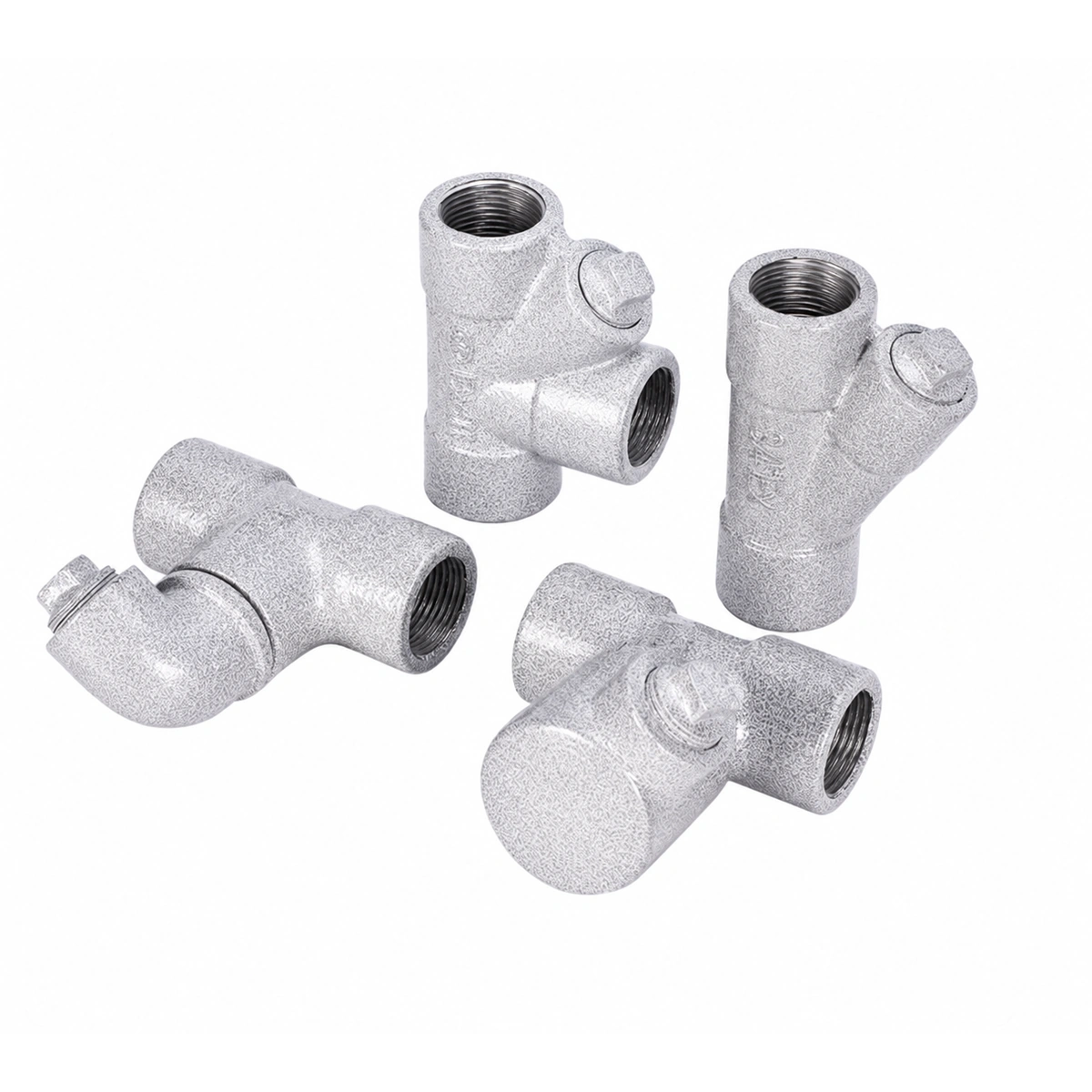
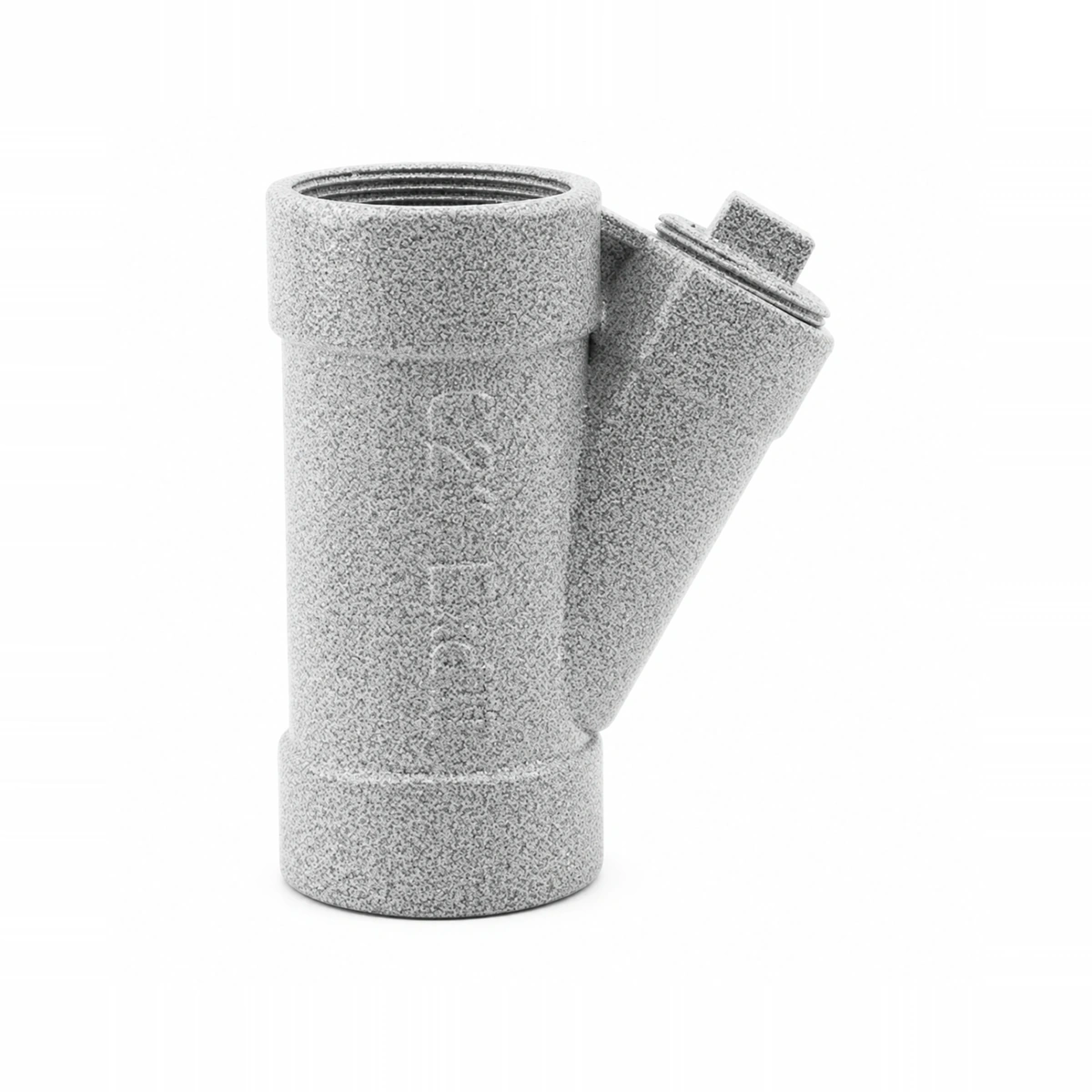
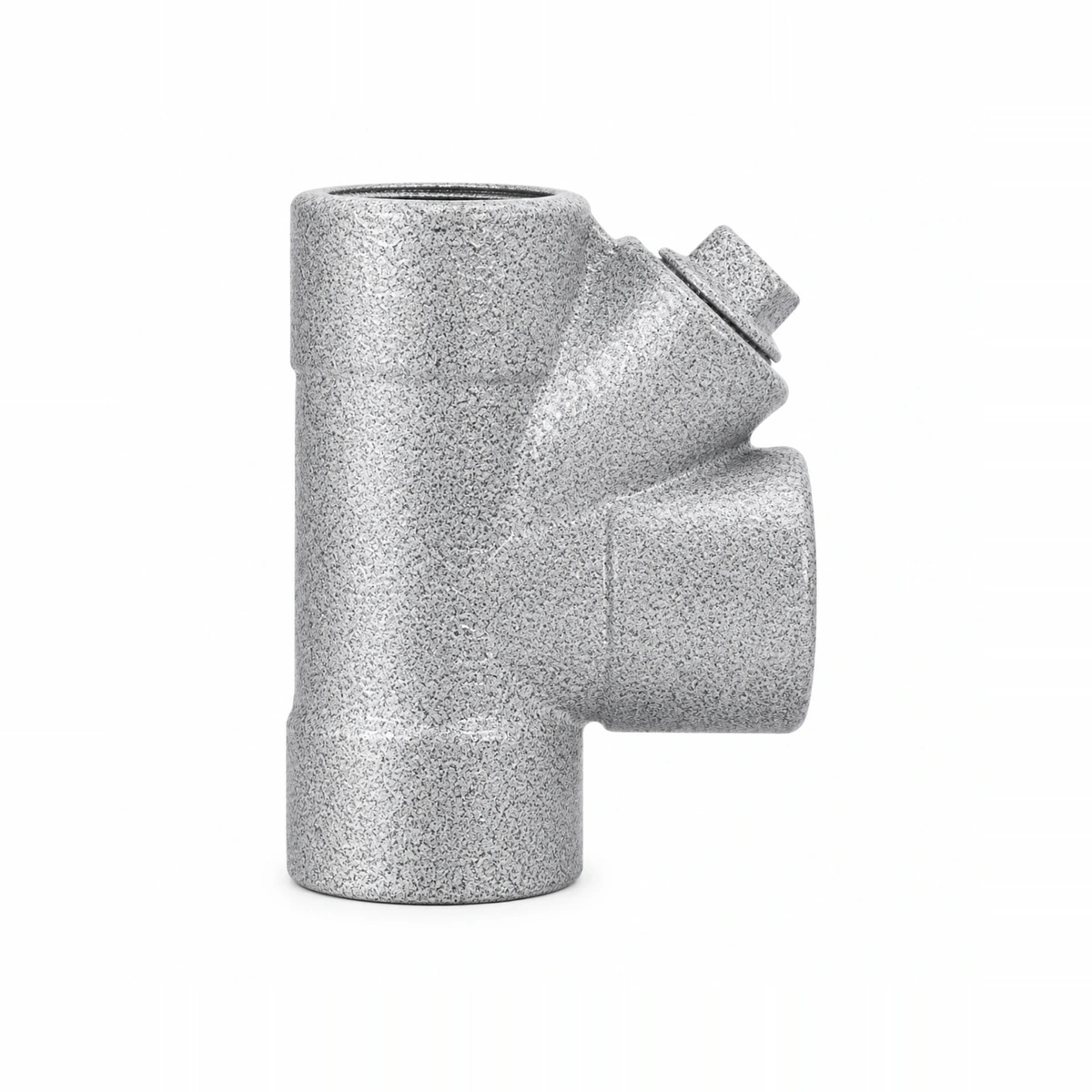
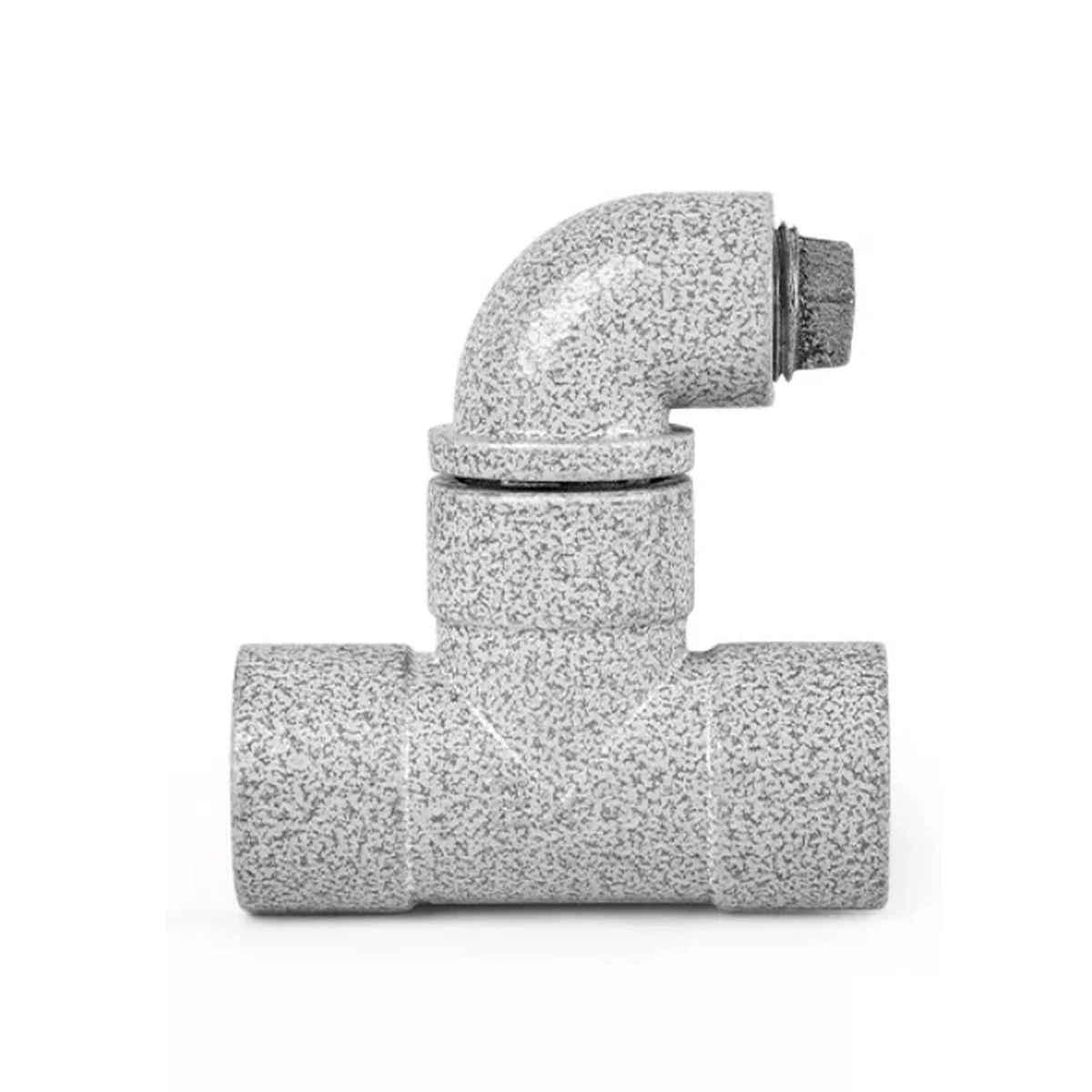
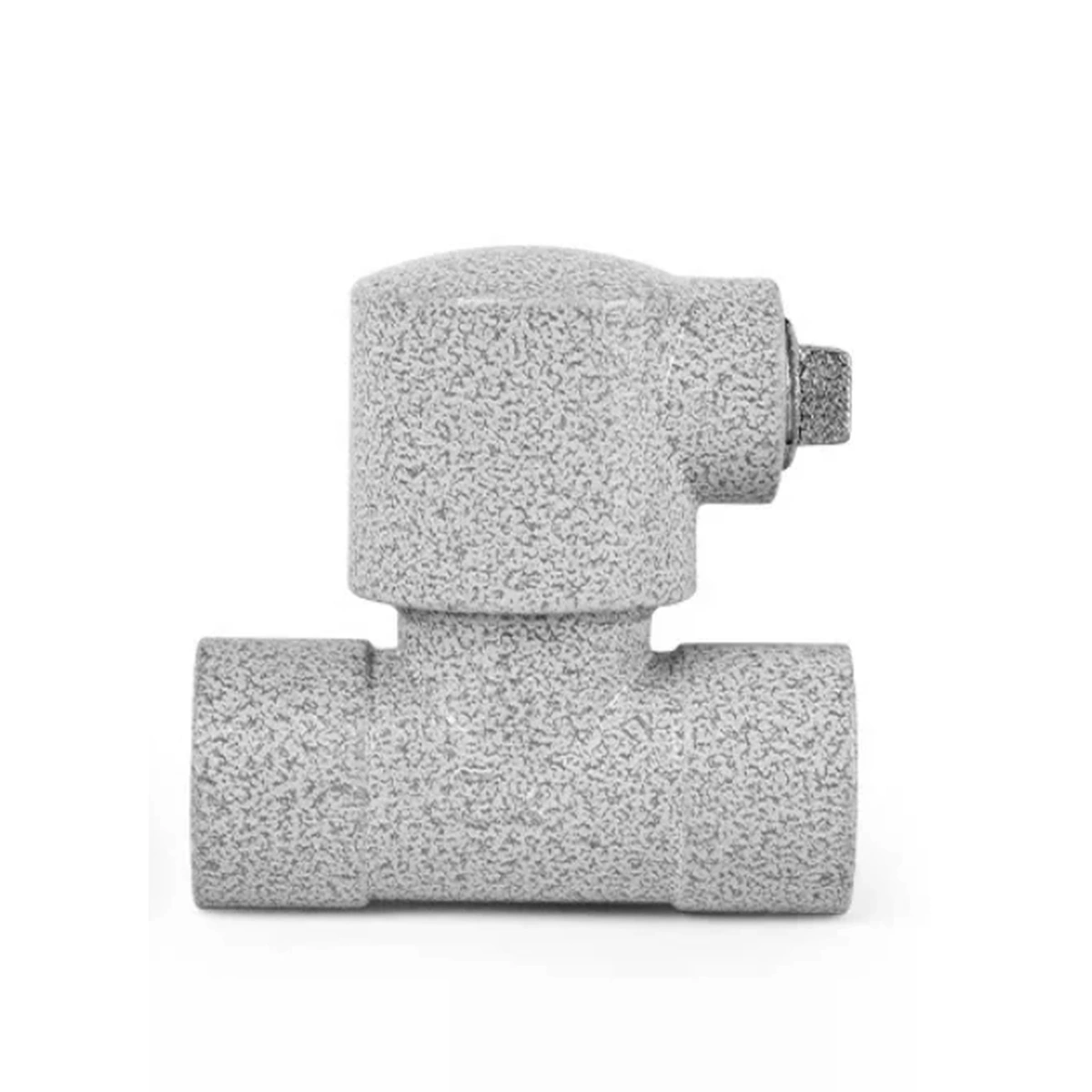
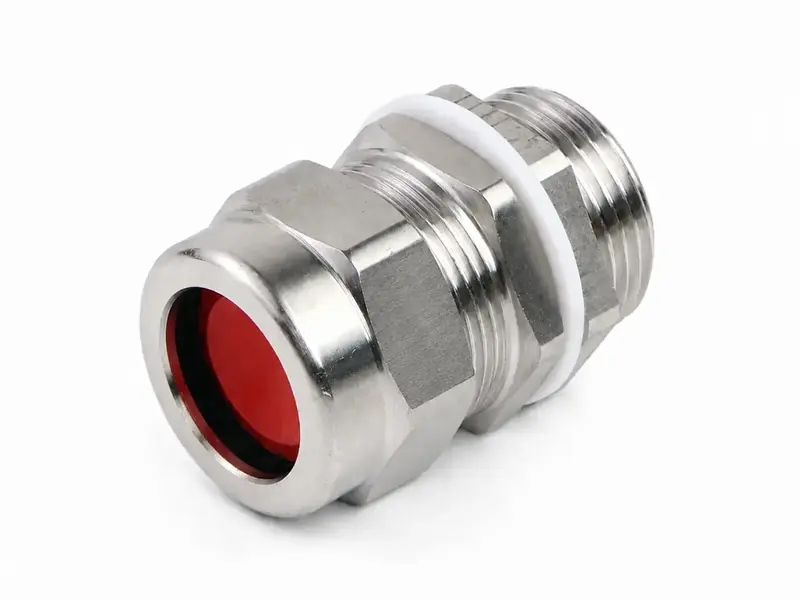
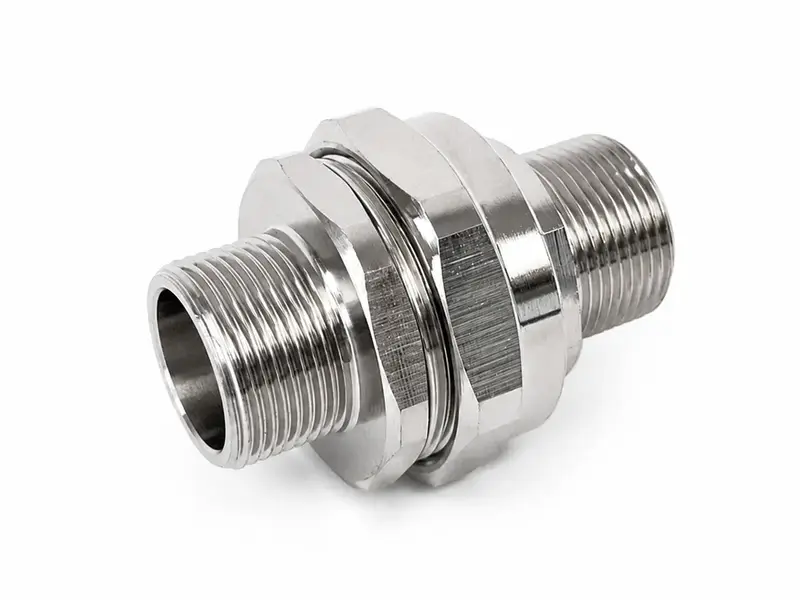
Designed for sealing rigid metal conduit systems in hazardous areas.
Made from copper-free aluminium alloy with an electrostatic powder-coated finish, the fittings offer high mechanical strength and good resistance to corrosion and oxidation.
Available in Y, Z, H and P types for different conduit layouts.
Threaded connections for conduit installation, with removable plugs for filling.
Body Material: Copper-free aluminium alloy with a powder-coated finish. Cast steel and stainless steel versions are also available.
Surface Finish: Powder-coated grey (RAL 7035)
Ingress Protection: IP66
Ambient Temperature: −20 °C to +40 °C
Structure Codes: Z, Y, H and P
Connection Threads: G1/2 to G2 as standard. Metric threads with a 1.5 mm pitch and NPT threads are available on request. Please specify when ordering.
Sealing Compound: Not included as standard. Please specify when ordering if required.
Applicable Industries
Suitable for use in:
• Oil & Gas
• Petrochemical
• Chemical Processing
• Pharmaceutical
• Textile
• Grain Processing
• Power Generation
FAQ
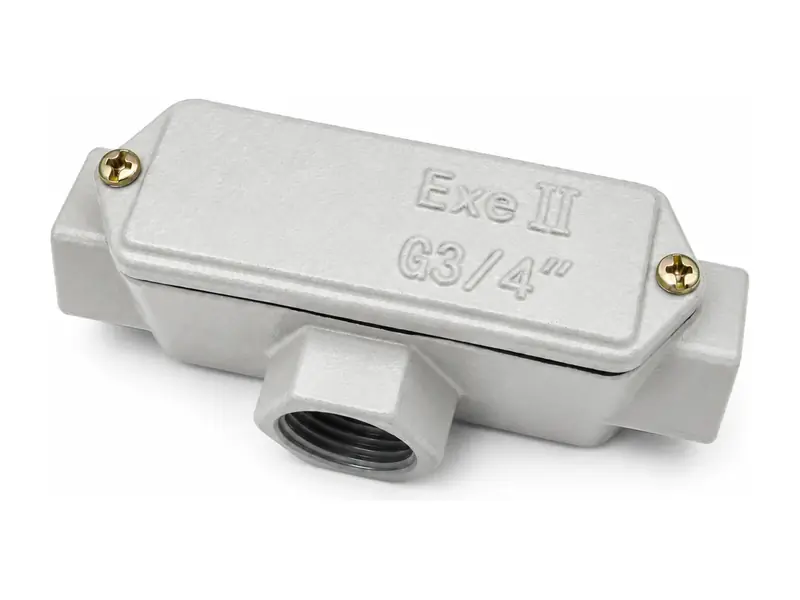
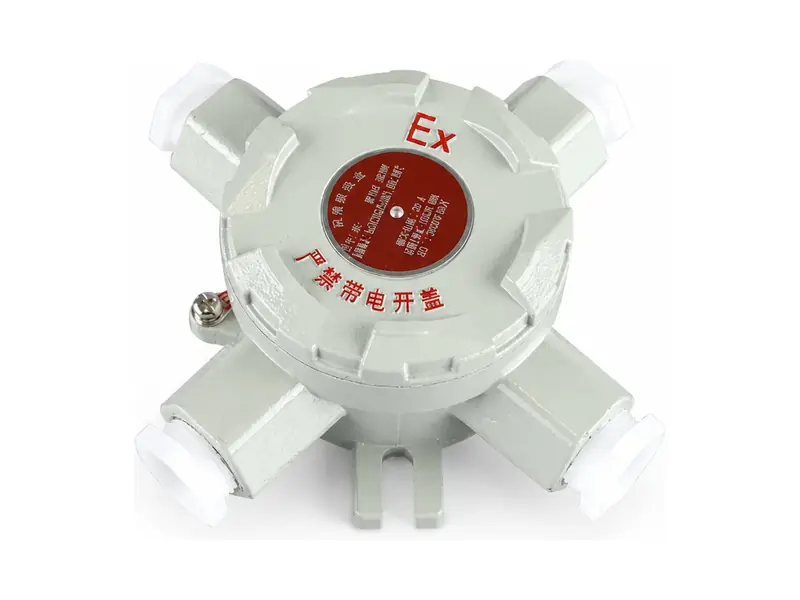
Q1: How does a conduit sealing fitting differ from a junction box? A1: A conduit sealing fitting uses sealing compound to form a barrier around conductors, helping limit the spread of gases, vapours and flames through the conduit. A junction box houses electrical terminals and connections.
Q2: Does the fitting require sealing compound, and is it included?
A2: Yes, sealing compound is required. Use only the compound specified for the fitting and follow its curing instructions. Compound is not included as standard, so please request it when ordering.
Q3: Can a conduit sealing fitting replace a cable gland? A3: They are not direct substitutes. A sealing fitting seals a conduit run, while a cable gland seals and secures a cable at the equipment entry. The correct arrangement depends on the equipment design and installation requirements.