
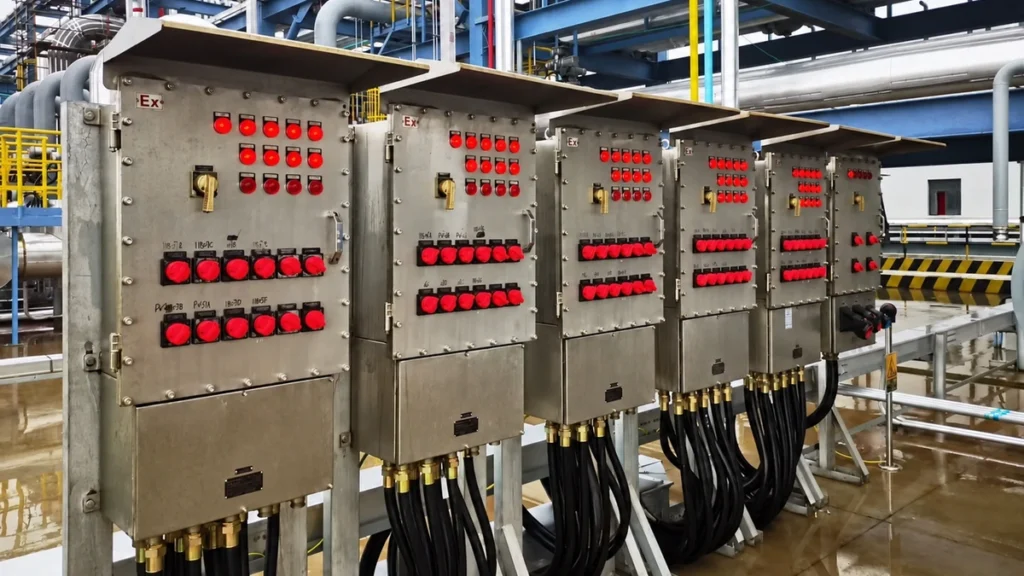
Two custom explosion-proof distribution panels can look almost identical and come with very different price tags.
For engineers and purchasing teams, that creates a familiar dilemma: is the higher price justified, or does the cheaper quotation leave something important out?
A product photo rarely gives you the answer. Differences in materials, machining, components, inspection and documentation can all affect the price—and what eventually arrives on site.
The first step is to establish exactly what each supplier is offering.
Check the Certification Scope Before Comparing Prices
A certificate is an essential part of the technical review, but it needs to match the equipment being supplied.
Under the IECEx certification scheme for ongoing production, product assessment and testing are supported by manufacturing quality-system assessment and continuing surveillance. Production consistency is therefore part of the certification framework.
For the buyer, the practical task is to confirm that the quoted model, configuration and operating conditions fall within the relevant certification scope.
This matters particularly for custom panels. A component certificate for an empty enclosure does not automatically cover a completed panel after electrical components have been fitted. The finished assembly requires the appropriate assessment and certification.
Before comparing prices, give suppliers the same requirements: hazardous-area classification, required Ex marking, electrical ratings, circuit configuration and installation conditions. A price comparison becomes much more useful once everyone is quoting against the same specification.
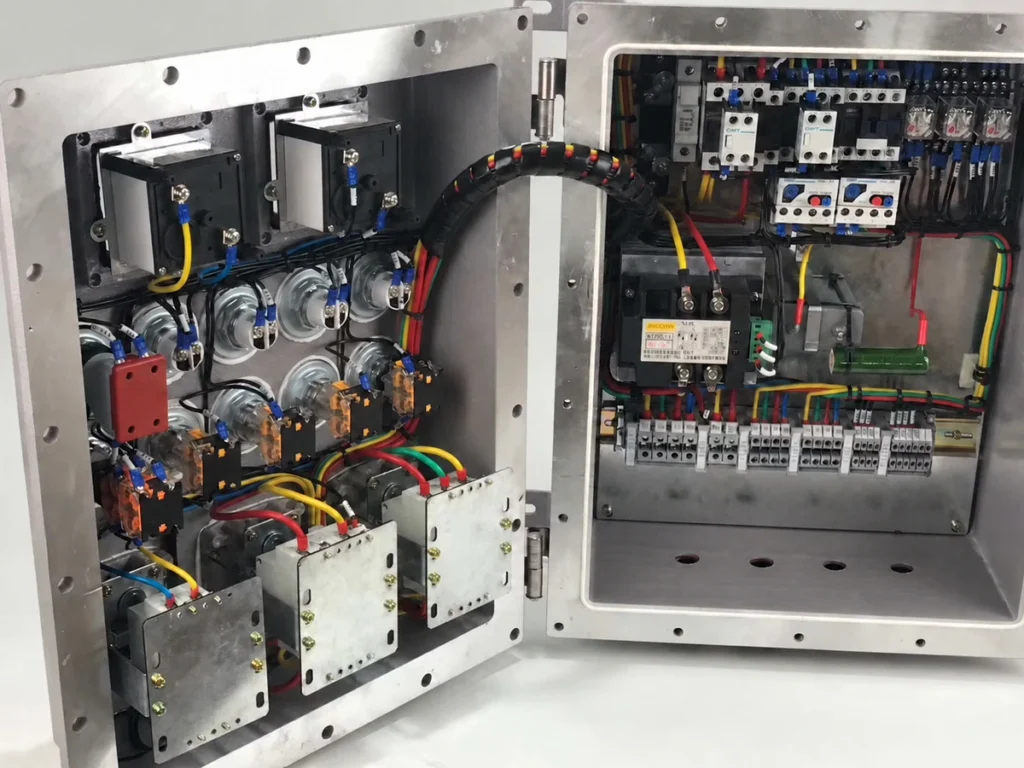
Four Areas That Can Explain the Price Difference
1. Flamepath Machining and Inspection
For flameproof equipment using Ex d protection, the joints between enclosure parts are critical to preventing an internal ignition from spreading to the surrounding atmosphere.
Two flanges may look equally smooth, yet differ in surface finish, joint dimensions or the clearance between their mating surfaces. These details must meet the requirements of the certified design.
Manufacturers may use different machining methods. What matters is whether the finished parts consistently meet the specified tolerances and how that is verified.
Ask how critical dimensions are measured, whether the results are recorded and how parts outside tolerance are handled.
For a closer look at why these joints matter, our guide to how explosion-proof distribution panels work explains the protection principle and the manufacturing details behind it.
2. Material Grade, Wall Thickness and Surface Finish
“Steel enclosure” is not a complete material specification.
A quotation should identify the material grade, specified thickness and surface treatment. Q235 carbon steel and 304 stainless steel, for example, have different properties and costs.
The actual material and dimensions must match the approved design and its permitted tolerances. An undisclosed reduction in wall thickness can affect enclosure strength and compromise conformity with that design.
The operating environment also matters. Moisture, salt, chemicals and vibration may expose weaknesses that are difficult to spot during a quick visual inspection.
Our explosion-proof enclosure material selection guide compares common materials and the site conditions that influence the choice.
For procurement, the key is to put that choice in writing and agree on the material documentation and dimensional checks required.
3. Seals, Fasteners and Electrical Components
The enclosure is only one part of the finished panel.
Seals must suit the environmental conditions. Fasteners must meet the specified dimensions and strength requirements. Cable glands and other entries must be suitable for the protection method and installation.
Inside the panel, circuit breakers, contactors and terminals need the correct ratings and must be suitable for the permitted assembly configuration.
These components can account for a meaningful share of the price difference. Quotations should therefore identify the proposed brands, models and ratings, rather than leaving the selection open until production.
An alternative component may offer a sensible saving. Its suitability and any effect on certification need to be checked before the substitution is agreed.
4.Assembly and Quality Control
Even a well-designed panel needs proper assembly. Joint clearances, wiring and earthing all require careful attention. Poor workmanship can lead to inspection issues, rework and delays in site acceptance.
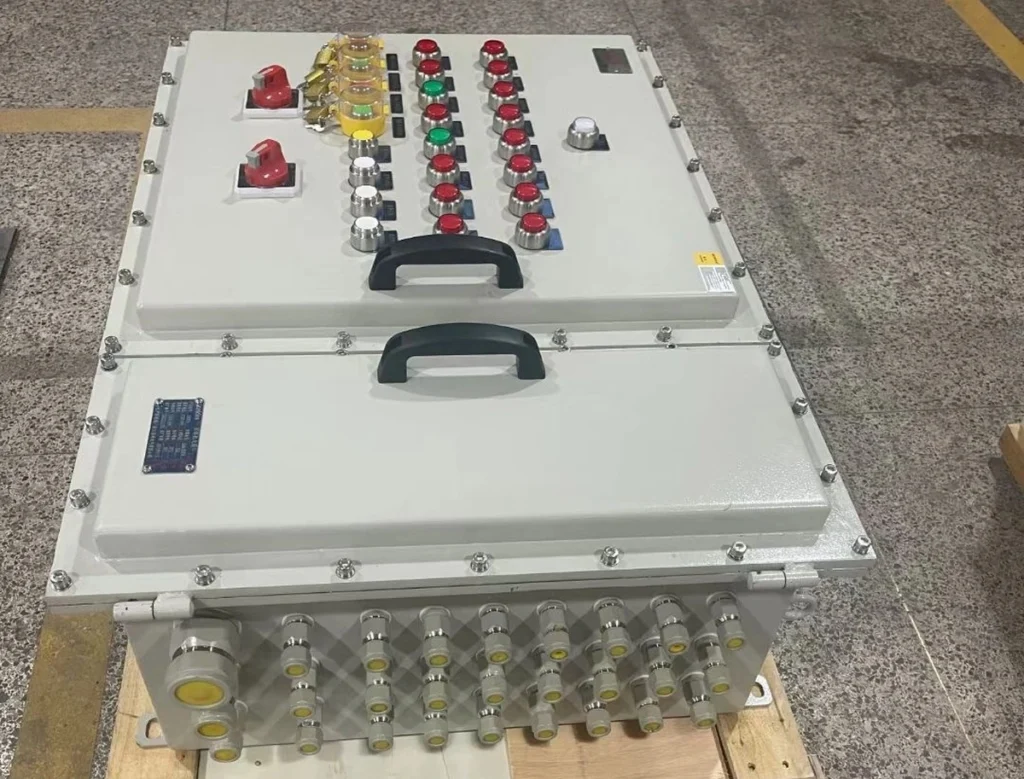
Balancing Budget Constraints and Safety Requirements
A lower quotation does not automatically mean poor quality. Efficient production, larger order quantities, standard designs and better purchasing terms can all produce legitimate savings.
The concern is an unexplained reduction in scope or an undisclosed technical change.
A thinner enclosure, unsuitable component substitution or omitted inspection may reduce the purchase price while creating costs elsewhere. Rework, replacement equipment and delayed commissioning can quickly outweigh the original saving.
Compare quotations against the same specification, testing requirements, documentation and delivery terms. Ask suppliers to identify any deviations clearly.
There may also be room to simplify the configuration. Standard enclosure sizes, fewer unnecessary options and suitable component alternatives can help control cost, provided the revised configuration remains appropriate for the application and within the applicable certification scope.
These decisions are easier to make before production, when the options and their implications can still be reviewed properly.
Working Within Your Budget
At NOVUS ELECTRICAL, we’ve worked with explosion-protected electrical equipment for 10 years. We know that technical requirements and project budgets don’t always line up.
We’ll explain the cost differences and suggest practical changes to the configuration where possible. Any changes must meet the applicable safety and certification requirements. You’ll know what each option includes before making a decision.
Send us your drawings and technical requirements, and we’ll review the options with you.
Looking for Explosion-Proof Distribution Panels?
Send us your drawings or project requirements. We’ll help you confirm the configuration and provide a quotation.