
Choosing a material for an explosion-proof enclosure means balancing mechanical strength, corrosion resistance, weight, heat dissipation and cost.
Common options include cast aluminum alloy, carbon steel, stainless steel and engineering plastics. Their properties vary considerably, making them suitable for different applications and environments.
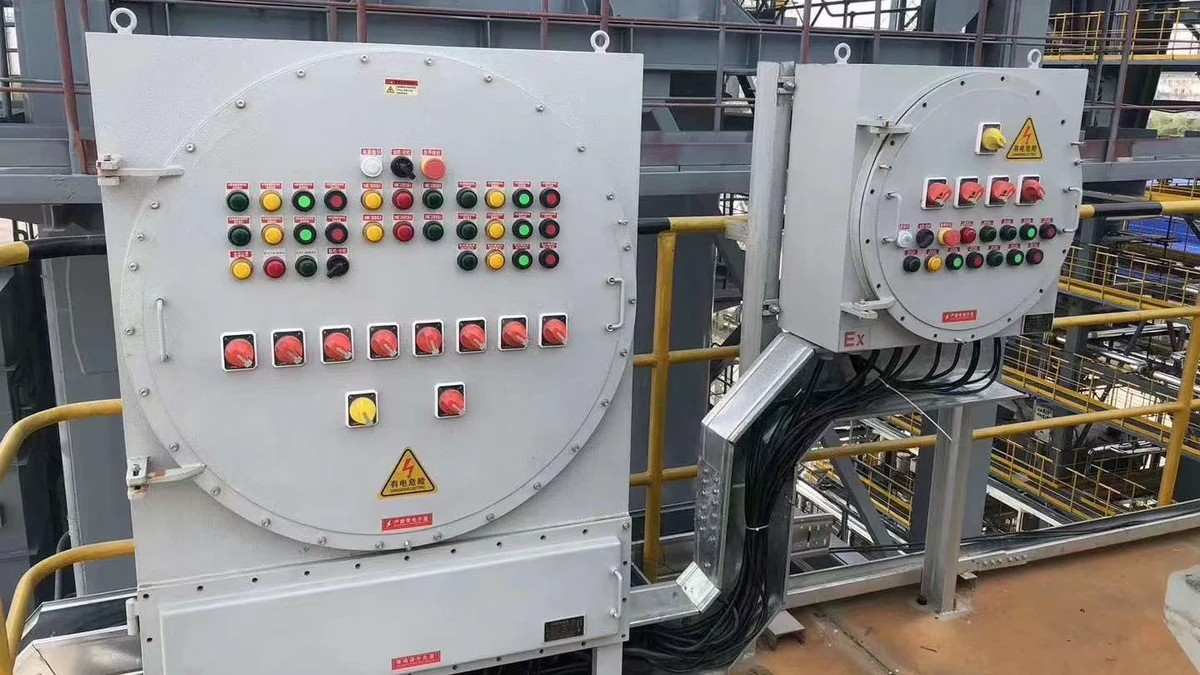
Carbon Steel
Carbon steel explosion-proof enclosures offer good mechanical strength at a relatively low cost. Carbon steel is also easy to fabricate into different sizes, making it suitable for larger control and distribution enclosures.
Its main weakness is corrosion. Paint or powder coating protects the surface, but scratches and damaged edges can expose the steel to moisture. These areas may begin to rust and need repair.
Carbon steel enclosures are suitable for general industrial environments or areas with a low risk of corrosion.
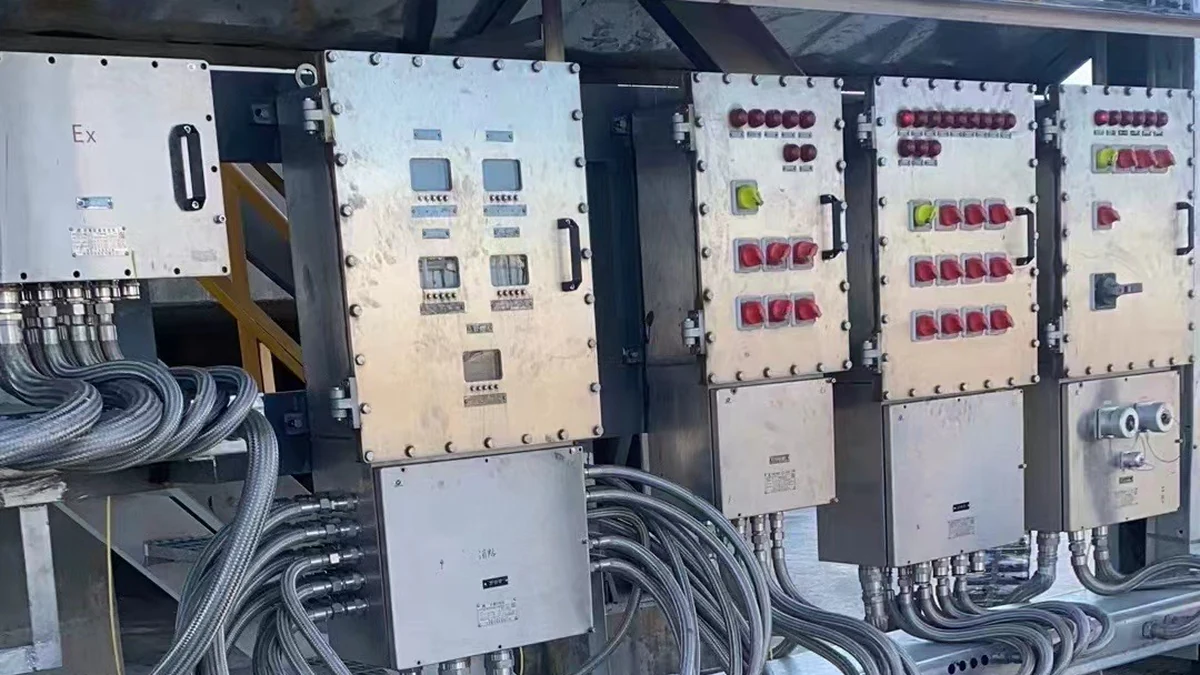
Stainless Steel: 304 and 316
Stainless steel explosion-proof enclosures are commonly used in corrosive environments such as chemical plants, coastal areas and offshore platforms, as well as locations with high humidity. Their corrosion resistance does not depend on a painted finish.
304 stainless steel is suitable for many general industrial applications with limited salt exposure. 316 stainless steel contains molybdenum, which improves resistance to corrosion caused by chlorides and makes it more suitable for coastal and marine environments.
Neither grade is completely immune to corrosion. For areas with strong chemical exposure or high salt levels, check the actual site conditions before selecting a grade.
The main disadvantages are higher cost and weight. Stainless steel also transfers heat less effectively than aluminum.
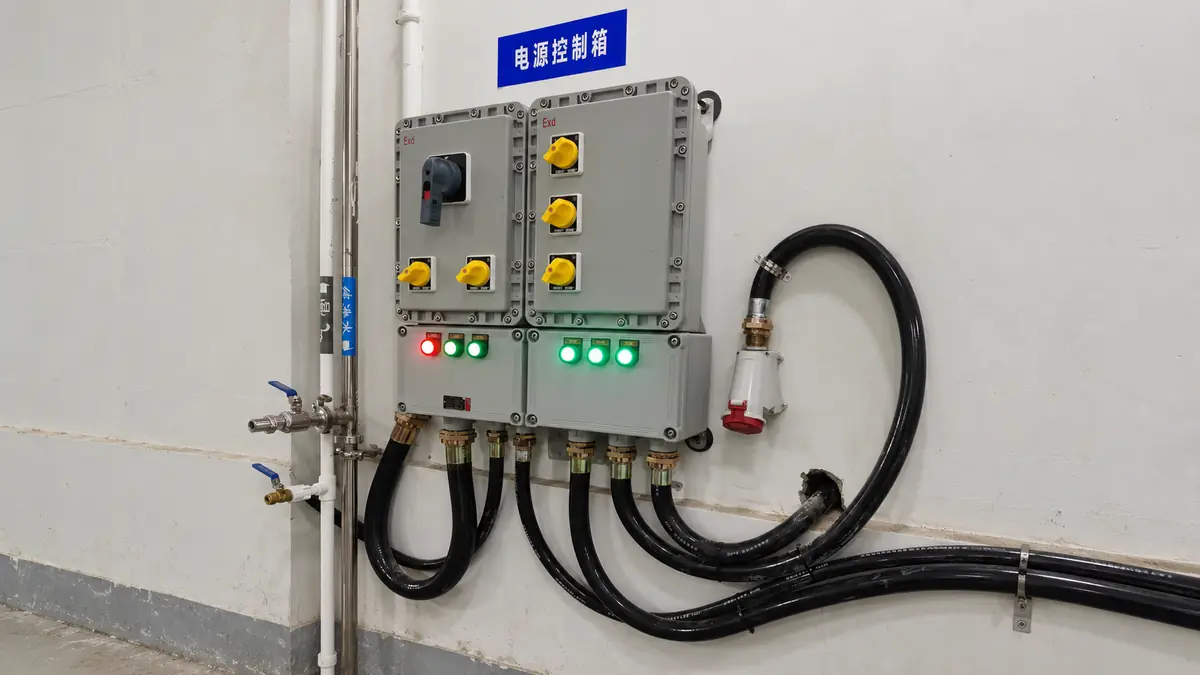
Cast Aluminum
Cast aluminum explosion-proof enclosures are lighter than steel enclosures and easy to install. Their good thermal conductivity helps dissipate heat. Common applications include junction boxes, control stations and instrument housings.
Mechanical strength and impact resistance depend on the alloy, wall thickness and casting quality. For outdoor or corrosive environments, the surface coating also needs to suit the site conditions.
Standard models are available in a range of sizes. Custom dimensions may require a new mold, which can increase cost and lead time.
Cast aluminum is suitable for general industrial environments, especially where low weight and heat dissipation are important.
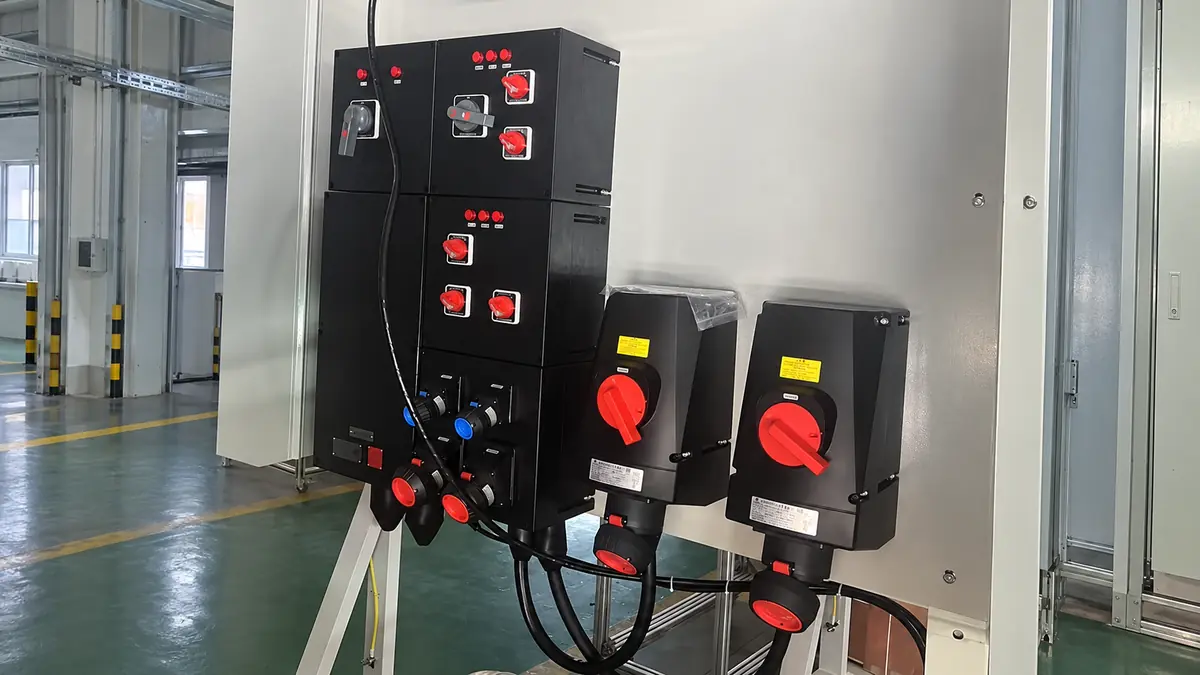
GRP (Glass-Reinforced Polyester)
GRP explosion-proof enclosures are lightweight, corrosion resistant and do not rust. They are commonly used for terminal boxes and control stations in humid or corrosive environments.
GRP resists many chemicals, but compatibility depends on the resin and the chemicals present at the installation site.
Before selecting GRP, check the operating temperature, impact resistance and suitability for outdoor use. GRP transfers heat less effectively than metal, which needs to be considered when the internal components generate significant heat.
Certified GRP enclosures are commonly used with increased safety, Ex e, and dust protection by enclosure, Ex t. The exact protection type and permitted use must be confirmed from the certification of the specific product.
What to Check Before Ordering
Compare materials against the conditions at your site: moisture, chemicals, salt, sunlight, temperature and possible impact. Also consider the weight, enclosure size and maintenance you can reasonably carry out.
Check the seals, fasteners and cable glands as well as the enclosure body. These parts need to withstand the same environment.
Finally, confirm the required Ex protection type, temperature limits and IP rating. Dust and water protection depend on the complete enclosure design and installation. Material choice alone does not make an enclosure suitable for a hazardous area.
Once these requirements are clear, browse our range of explosion-proof electrical products to compare the available options for your application.